

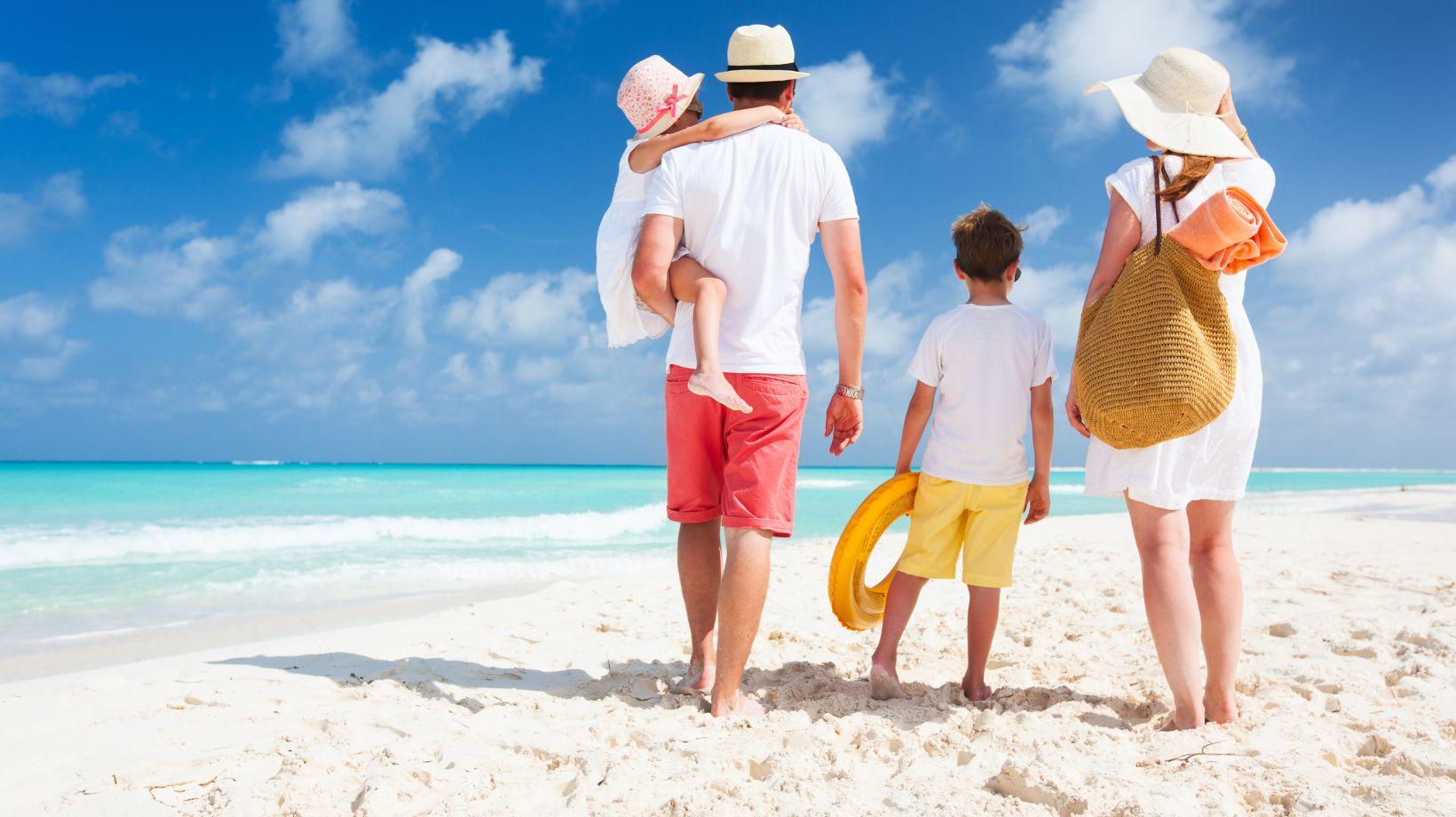

Family vacations are a chance to step away from daily routines, spend meaningful time together, and create memories that last long after the trip ends. While relaxing by the pool or sightseeing at a slow pace can be enjoyable, many families are discovering the benefits of active vacations that combine exploration, movement, and shared experiences. From hiking through nature and cycling through scenic landscapes to trying new sports and exploring outdoor attractions, active family travel can strengthen relationships while encouraging healthy habits.
Planning an active family vacation, however, requires more than simply choosing an adventurous destination. Families need to consider everyone’s interests, energy levels, abilities, and comfort zones. With thoughtful preparation, an active getaway can become an exciting experience that children and adults look forward to together.
Choose Activities That Match Your Family’s Interests
The best active vacations are not built around a single person’s idea of adventure. A successful family trip should include activities that appeal to different ages and personalities. Younger children may enjoy treasure hunts, swimming, wildlife encounters, or easy nature walks, while teenagers might prefer kayaking, surfing, mountain biking, or more challenging outdoor adventures.
Before planning the itinerary, have a family discussion about what everyone wants to experience. Giving children a voice in choosing activities can increase their excitement and make them feel involved in the trip planning process. A vacation where everyone has something to look forward to is more likely to feel enjoyable rather than exhausting.
It is also important to avoid over-scheduling. Active vacations do not need to be packed with activities from sunrise to sunset. Leave room for spontaneous discoveries, rest breaks, and unplanned moments that often become some of the most memorable parts of a family adventure.
Pick a Destination With Variety
When choosing an active family vacation destination, look for places that offer a mix of outdoor experiences. Destinations with beaches, mountains, forests, lakes, or national parks often provide many opportunities for movement and exploration.
A coastal destination may allow families to combine swimming, snorkeling, paddleboarding, beach games, and coastal hikes. Mountain areas can offer hiking trails, biking routes, scenic viewpoints, and adventure activities suitable for different skill levels. Cities can also provide active opportunities through walking tours, parks, cultural exploration, and outdoor attractions.
The key is finding a location where activities are accessible and adaptable. A destination that offers options for both energetic adventurers and family members who prefer slower-paced experiences creates a better balance for everyone.
Prepare Kids for Adventure
Children are often more enthusiastic about active vacations when they know what to expect. Before the trip, talk about the activities you will be doing and help them understand what equipment, clothing, or skills might be needed.
For example, if the family plans to hike, take short walks together beforehand to build confidence and endurance. If swimming, cycling, or water activities are part of the plan, practicing these skills before the vacation can make children feel more comfortable.
Packing the right gear is also essential. Comfortable walking shoes, weather-appropriate clothing, sunscreen, reusable water bottles, hats, and small backpacks can make outdoor adventures easier. Families traveling with teenage girls should also consider comfort-focused essentials for active days, such as supportive undergarments and clothing designed for movement; choosing a well-fitting teen bra can help young travelers feel confident and comfortable while hiking, exploring, or participating in outdoor activities.
For longer activities, children may appreciate having their own supplies, such as snacks, a camera, or a small notebook to record their experiences. Allowing kids to prepare their own small travel bag can also make them feel more independent and excited about the adventure.
Prioritize Safety Without Limiting Fun
Adventure and safety should always go together, especially when traveling with children. Research activities ahead of time and choose providers with strong safety standards. Make sure everyone understands basic rules, whether it involves staying on marked trails, wearing helmets, using life jackets, or following local guidelines.
Parents should also consider the physical demands of each activity. A challenging hike that is exciting for adults may be overwhelming for younger children. Choose experiences that encourage confidence and curiosity without creating unnecessary stress.
Weather conditions are another important factor. Heat, humidity, storms, or extreme temperatures can quickly affect energy levels. Plan outdoor activities during comfortable times of the day, take regular breaks, and always keep water and snacks available.
Turn Exercise Into Quality Family Time
One of the greatest benefits of active vacations is that they naturally create opportunities for connection. Walking trails, paddling across a lake, exploring a new place by bike, or completing a family challenge together encourages teamwork and communication.
Unlike passive entertainment, active experiences often require families to cooperate. Children learn problem-solving skills, patience, and resilience while parents get to see their confidence grow. Even small challenges, such as reaching a viewpoint after a hike or learning a new sport together, can become meaningful family achievements.
Parents can also use these moments to disconnect from technology and focus on being present. Taking photos and sharing experiences is wonderful, but setting aside time without screens allows families to fully enjoy their surroundings and each other’s company.
Balance Adventure With Relaxation
Even the most energetic families need downtime. Rest days or slower afternoons can help everyone recharge and prevent the vacation from becoming overwhelming. A successful active vacation includes a combination of exciting activities and peaceful moments.
After a morning hike, a family might enjoy a relaxed picnic, visit a local market, spend time at the beach, or simply enjoy the scenery. These quieter experiences often provide valuable opportunities for conversation and reflection.
Remember that the goal is not to complete the most activities but to create positive memories together. A child who remembers laughing during a family bike ride or discovering a hidden trail may value that experience more than a perfectly planned itinerary.
Create Lasting Healthy Habits
An active family vacation can inspire healthier lifestyles long after returning home. Experiencing the joy of movement, nature, and exploration can encourage families to continue outdoor activities in everyday life.
Regular family walks, weekend adventures, cycling trips, or outdoor games can help maintain the sense of connection created during vacation. Children who associate physical activity with fun and family time are more likely to develop positive attitudes toward exercise.
Ultimately, an active family vacation is about more than staying busy. It is about discovering new places, challenging yourselves together, and strengthening family bonds through shared experiences. With the right balance of adventure, preparation, and relaxation, families can enjoy vacations that are exciting, healthy, and unforgettable.